Most entrepreneurs remember the moment when their financial perspective begins to change. It usually happens when they realize their numbers tell a deeper story about how their business really works.
I remember examining a revenue report for a business that appeared to be thriving. Sales were increasing steadily. Clients were renewing contracts. Cash flow looked strong enough to support expansion.
Yet something in the numbers felt unsettled.
Profit margins were thinner than expected. Taxes seemed to consume a larger share of revenue each year. Meanwhile, operational costs had accumulated slowly, almost invisibly.
That moment revealed something important.

Businesses rarely struggle because revenue fails to grow. More often, they struggle because their financial systems fail to reveal how everyday decisions affect long-term outcomes.
Once entrepreneurs begin seeing finances through this lens, accounting stops feeling administrative. It becomes strategic infrastructure.
Invoices, expense categories, and financial reports start telling a story about the business itself.
Inside that story lies the foundation of a durable business tax strategy—one shaped gradually through operational decisions rather than discovered during tax preparation.
When financial systems reveal these patterns early, taxes stop appearing as unexpected obligations. Instead, they become predictable outcomes of the way a business is structured.
Which raises an important question.
If financial systems influence so many strategic outcomes, why do so many organizations still treat them as an afterthought?
Most entrepreneurs begin their journey focused on opportunity. They refine services, build relationships with clients, and search constantly for new sources of revenue.
Financial systems rarely receive the same attention.
This imbalance creates subtle blind spots.
Revenue tracking may be precise, yet expense organization often lacks structure. Meanwhile, tax preparation frequently occurs months after the financial decisions that produced the numbers.
As a result, many businesses operate with delayed financial visibility.
Owners look backward instead of forward.
Instead of designing a proactive business tax strategy, they discover tax outcomes only after the year has ended.
Without clear financial systems, it becomes difficult to design a proactive business tax strategy that supports long-term growth.
This pattern appears frequently among freelancers and small business owners. Their schedules remain full, and operational work dominates most days.
Strategic financial reflection rarely feels urgent until the numbers demand attention.
However, when entrepreneurs simplify their financial workflows, something interesting begins to happen.
Patterns emerge.
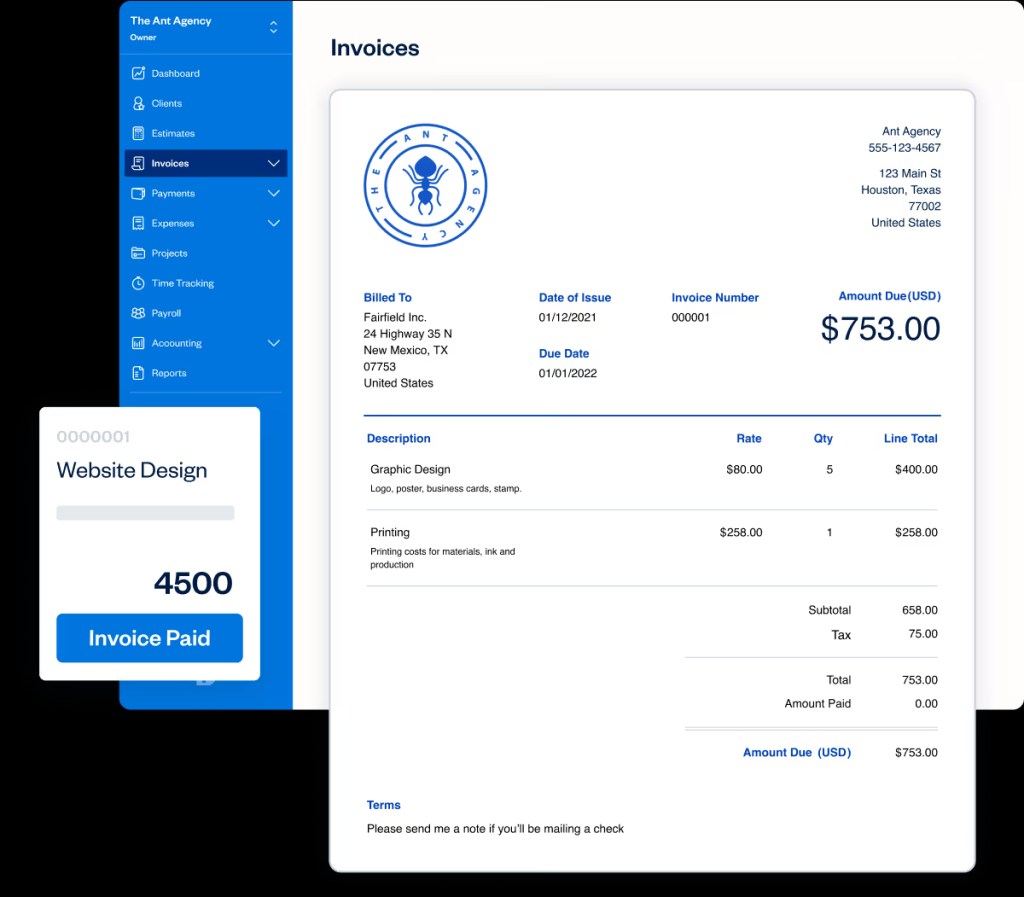
Many professionals eventually streamline this entire process using FreshBooks because it organizes invoices, expenses, and financial reports in one place, allowing them to focus on strategy instead of paperwork.
Several features make this kind of financial visibility easier to maintain:
Together, these tools help entrepreneurs maintain financial clarity while building a smarter business tax strategy.
Successful entrepreneurs eventually adopt a different perspective on financial systems.
They stop seeing accounting as historical record-keeping. Instead, they treat it as strategic intelligence.
Financial data reveals behavioral patterns inside the organization.
First, tax outcomes reflect financial structure.
Every operational decision contributes to the architecture of a business tax strategy.
Second, tax systems reward economic contribution. Many governments encourage entrepreneurship, investment, and job creation through incentives embedded within the tax code.
Third, financial visibility improves strategic judgment. When financial information becomes organized and accessible, leaders recognize connections between decisions and long-term outcomes.
At this stage, many entrepreneurs refine the systems that generate financial data.
- They begin by structuring small business bookkeeping, ensuring transactions accurately reflect daily operations.
- From there, they strengthen small business accounting, building financial records that support decision-making.
- Finally, they implement financial reporting systems that transform raw financial data into strategic insight.
Tools such as FreshBooks help many business owners manage these workflows more efficiently by integrating invoicing, expense tracking, and reporting into a single system.
At that point, numbers stop feeling abstract.
They begin revealing patterns about growth, efficiency, and opportunity.
Financial insight becomes valuable only when it shapes everyday decisions.
Entrepreneurs who build a sustainable business tax strategy often develop routines that connect financial awareness with operational habits.
One effective practice involves reviewing financial activity weekly. Short check-ins reveal patterns long before annual reports appear.

During these reviews, many business owners begin examining how business expense categories affect deductions and financial clarity.
Once spending patterns become visible, attention shifts toward revenue systems.
Strong invoice management systems improve payment timing and reduce administrative friction.
At the same time, businesses begin modeling financial stability through cash flow forecasting, allowing leaders to anticipate financial pressure before it appears.
These operational systems gradually transform financial awareness into financial discipline.
And when those systems work together consistently, financial decisions become easier to evaluate.
Businesses that sustain long-term growth rarely rely on luck.
Instead, they build systems that transform financial information into strategic insight.
When financial systems become structured and transparent, entrepreneurs begin recognizing patterns earlier.
- They detect inefficiencies sooner.
- They allocate resources more effectively.
- Most importantly, they refine their business tax strategy continuously.
Financial clarity becomes a competitive advantage.
Revenue patterns reveal where demand truly exists. Expense structures reveal operational priorities. Cash flow signals highlight potential pressure long before problems appear.
Over time, these insights compound.
Leaders begin evaluating profitability more deliberately through profit margin analysis, identifying which services or products generate sustainable income.
Eventually, financial decisions shift from reactive to strategic.
And the businesses that achieve this clarity often discover that tools like FreshBooks allow them to maintain organized financial systems without sacrificing time that should be spent on growth.
Financial strategy rarely emerges from a single breakthrough.
Instead, it develops through consistent decisions made over time.
When financial systems reveal the deeper patterns inside a business, entrepreneurs gain the confidence to act on those insights.
They understand how operational choices influence taxation. They recognize which investments strengthen long-term profitability.
Over time, these insights extend into broader strategic decisions, including freelance tax planning, business deduction strategies, and strategic tax planning frameworks that support sustainable growth.
Eventually, many leaders reconsider their business financial structure, ensuring that the legal and financial architecture of the organization aligns with its long-term objectives.
At that point, financial systems fulfill their true purpose.
They transform uncertainty into clarity.
They convert financial data into strategic awareness.
Most importantly, they allow entrepreneurs to focus on building meaningful work while their financial infrastructure quietly supports growth.
If your financial systems began revealing hidden opportunities tomorrow, how might your business tax strategy evolve as a result?
For many entrepreneurs, that clarity begins with better financial visibility. When invoices, expenses, and reports live inside a single system, patterns become easier to recognize and decisions become easier to make. Tools like FreshBooks allow business owners to organize financial data without adding complexity, creating the kind of visibility that makes strategic financial planning possible.
Create and send professional invoices in minutes, then automate reminders and payments so you spend less time on admin and more time getting paid.